
Share:
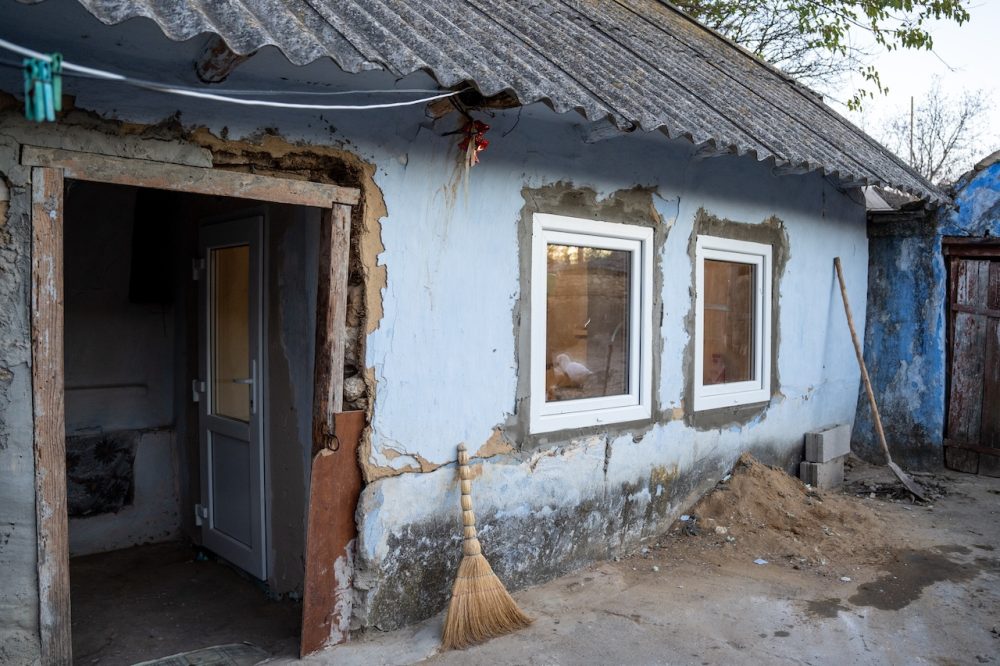
Good health is not a luxury — it is a basic human right and a critical foundation for stability, education, and long-term resilience. Yet in rural Moldova, access to medical care is deeply unequal. For the vulnerable families we work with, even routine check-ups or essential medications are often financially or logistically out of reach.
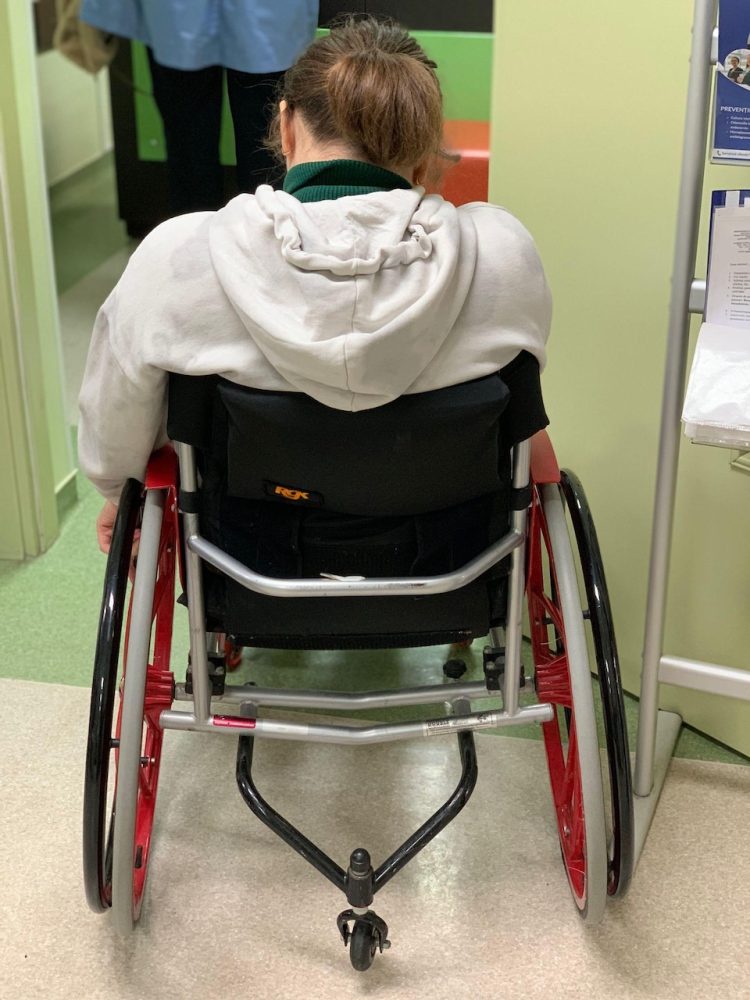
At The Moldova Project, we see health not as a separate sector, but as an essential pillar of dignity and opportunity. That’s why we provide targeted and free medical assistance to every member of the families we support — from newborns to elderly grandparents.
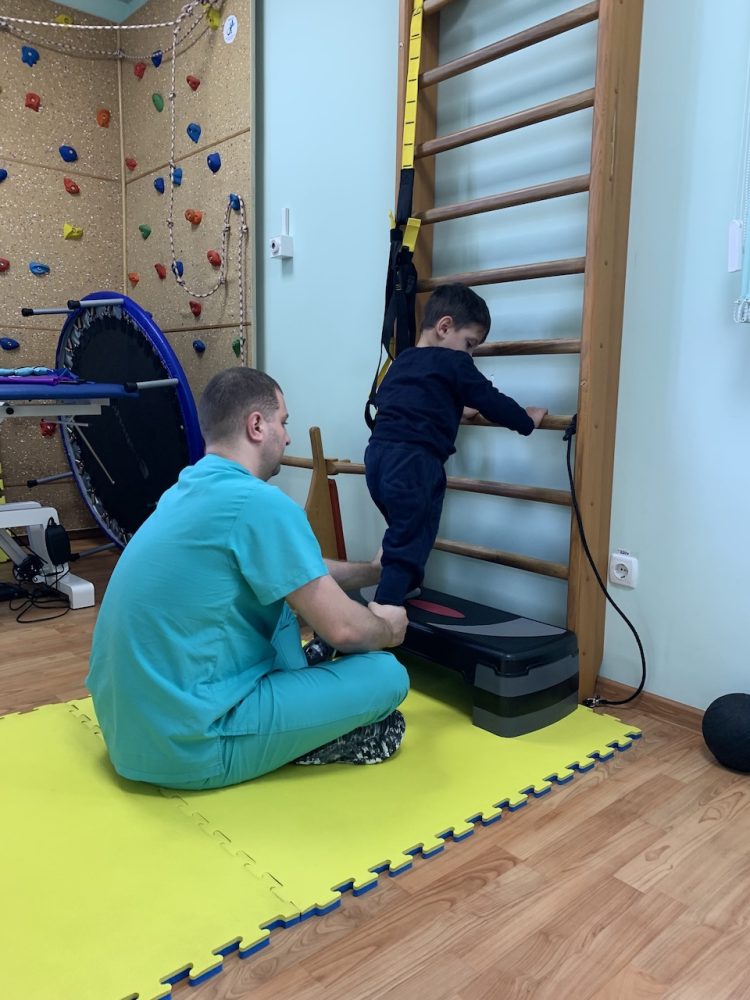
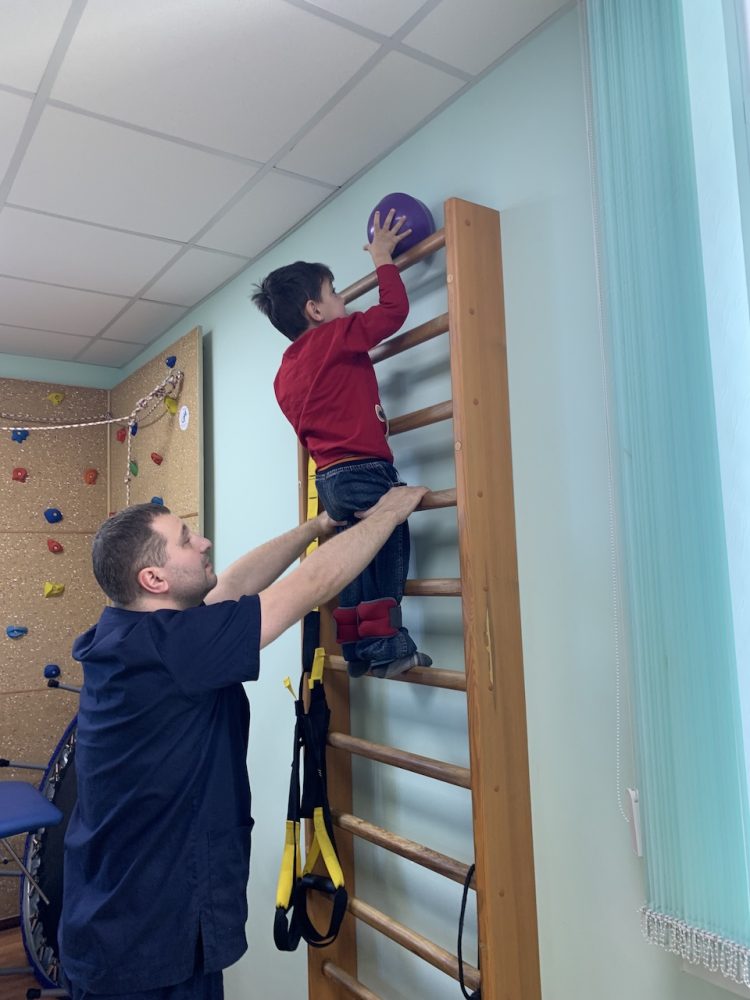
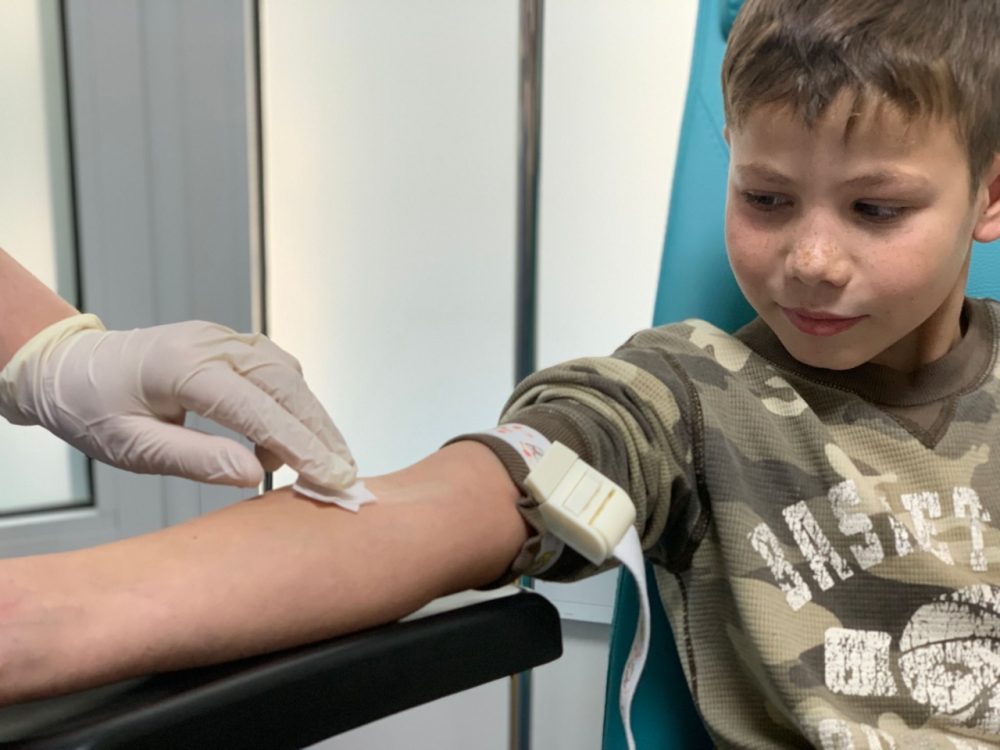
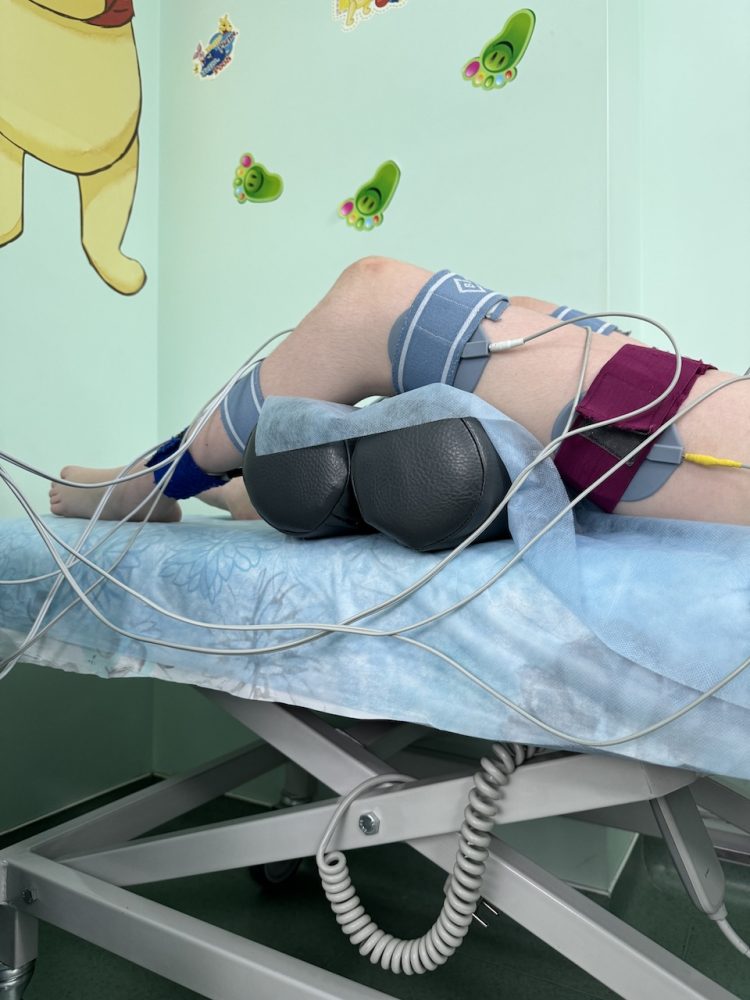
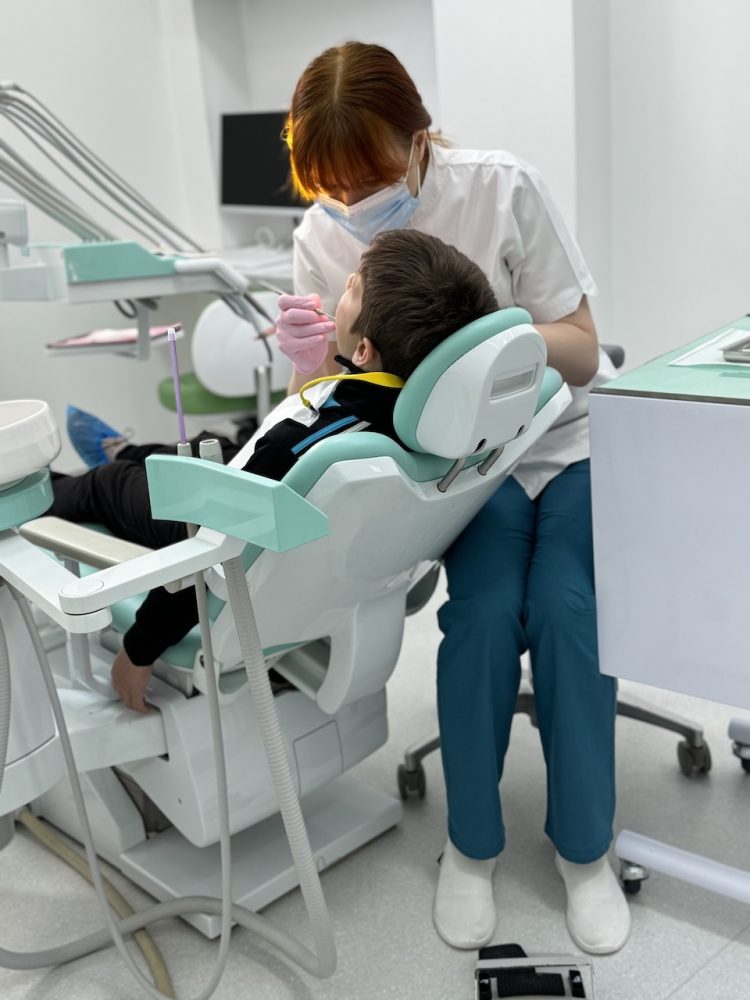
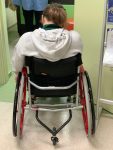
Our Healthcare Program addresses both urgent medical needs and long-term health prevention. Each year, we facilitate approximately 200 medical interventions, tailored to the unique conditions and vulnerabilities of our beneficiaries. These interventions include:
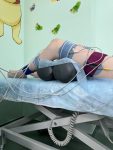
- Surgeries and treatments for serious or chronic illnesses
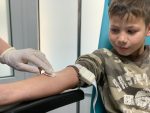
- Preventive care, including medications and vaccinations
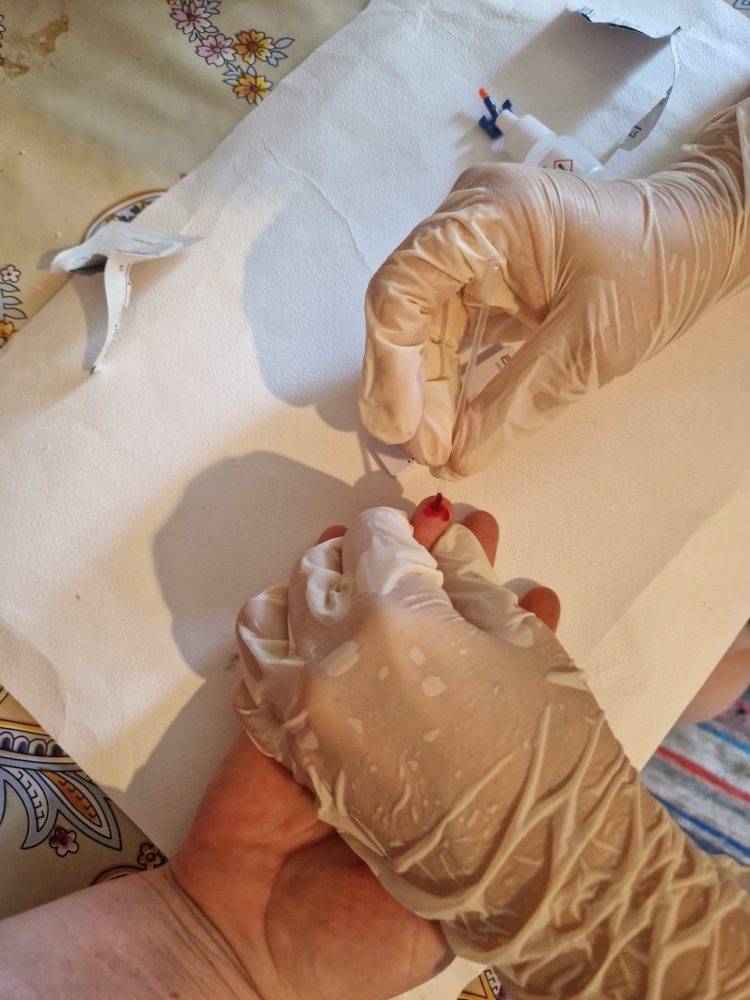
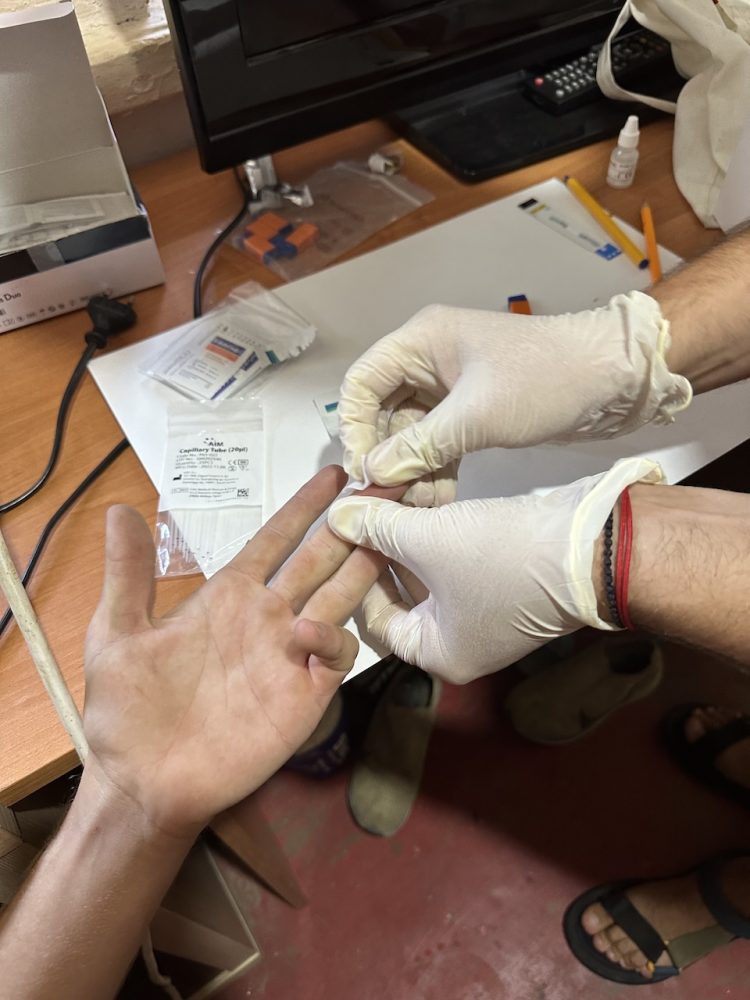
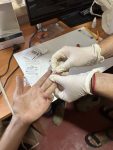
- Routine medical consultations, screenings, and diagnostic tests
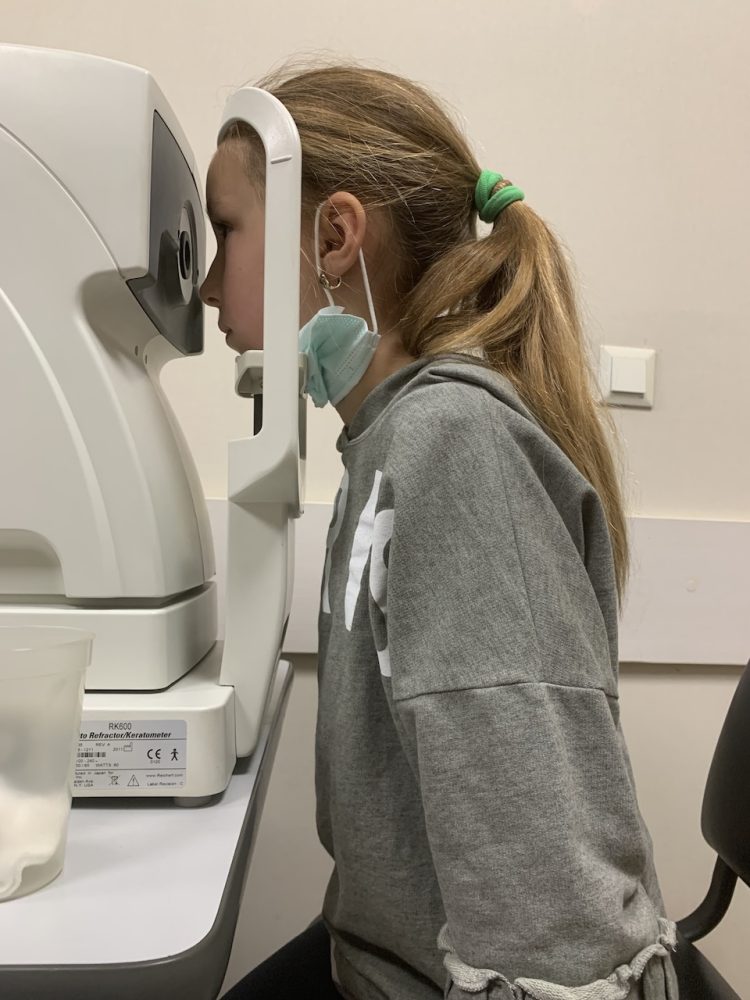
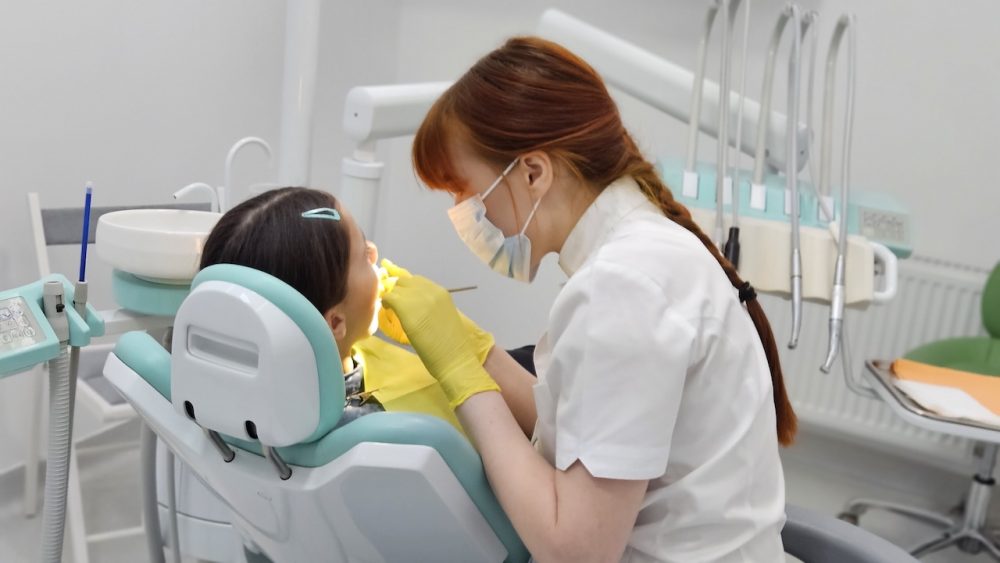
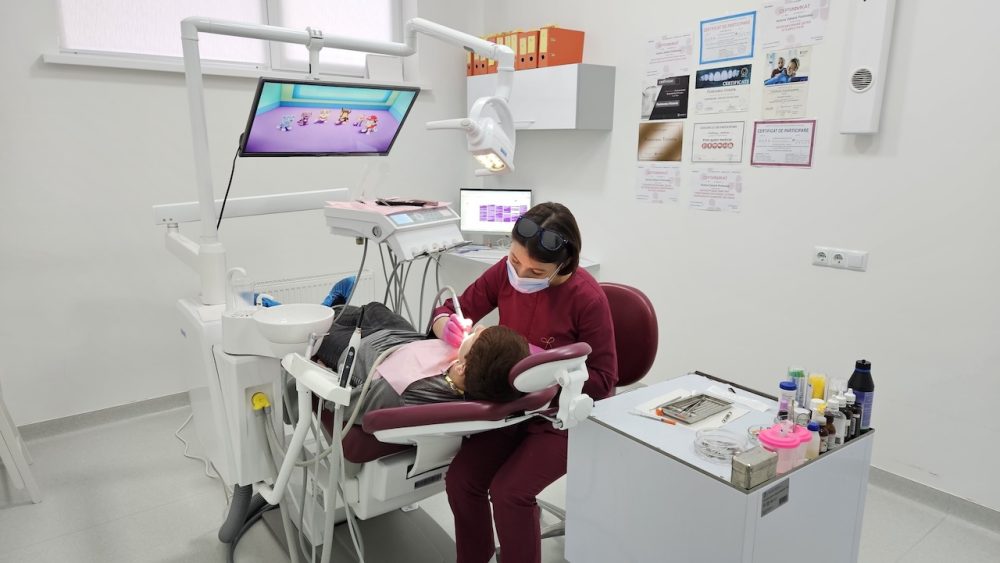
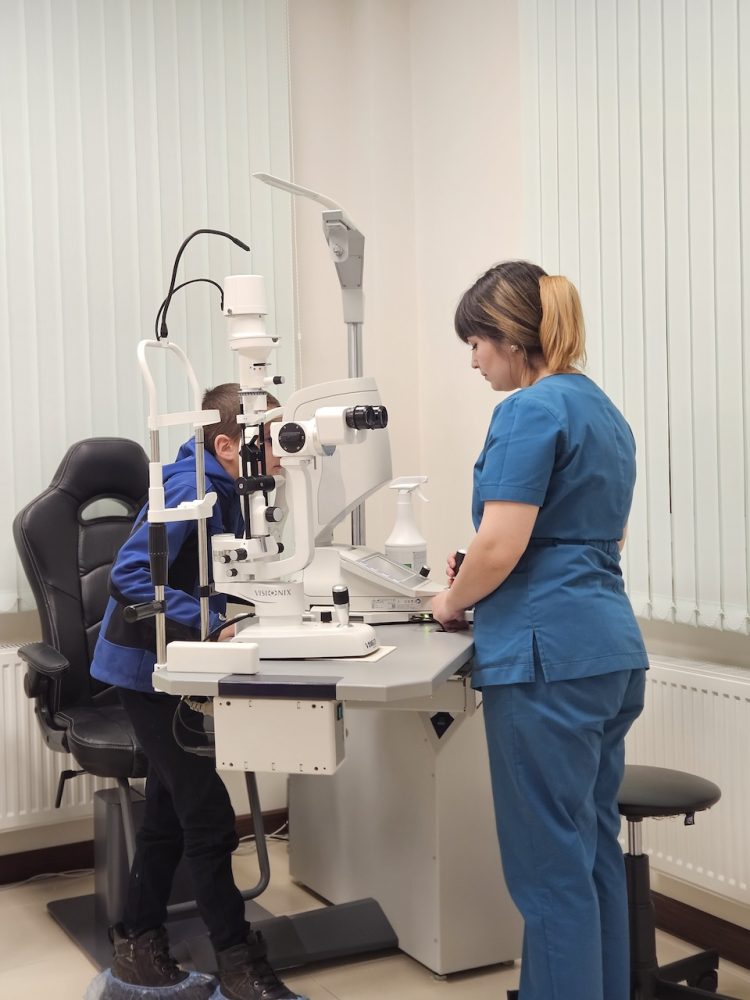
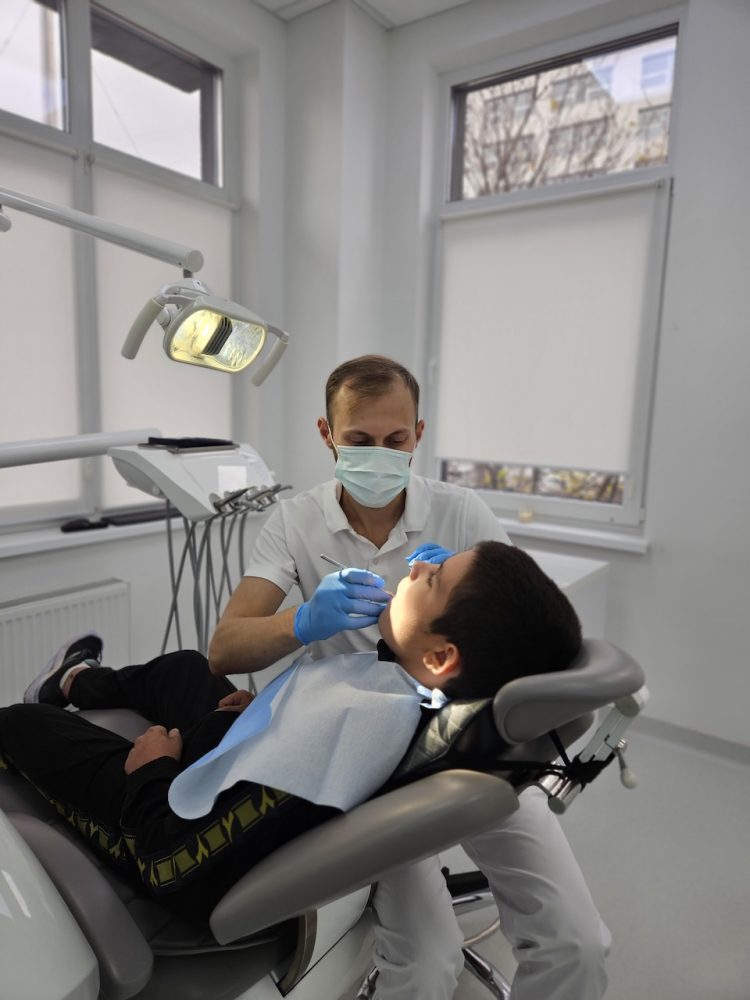
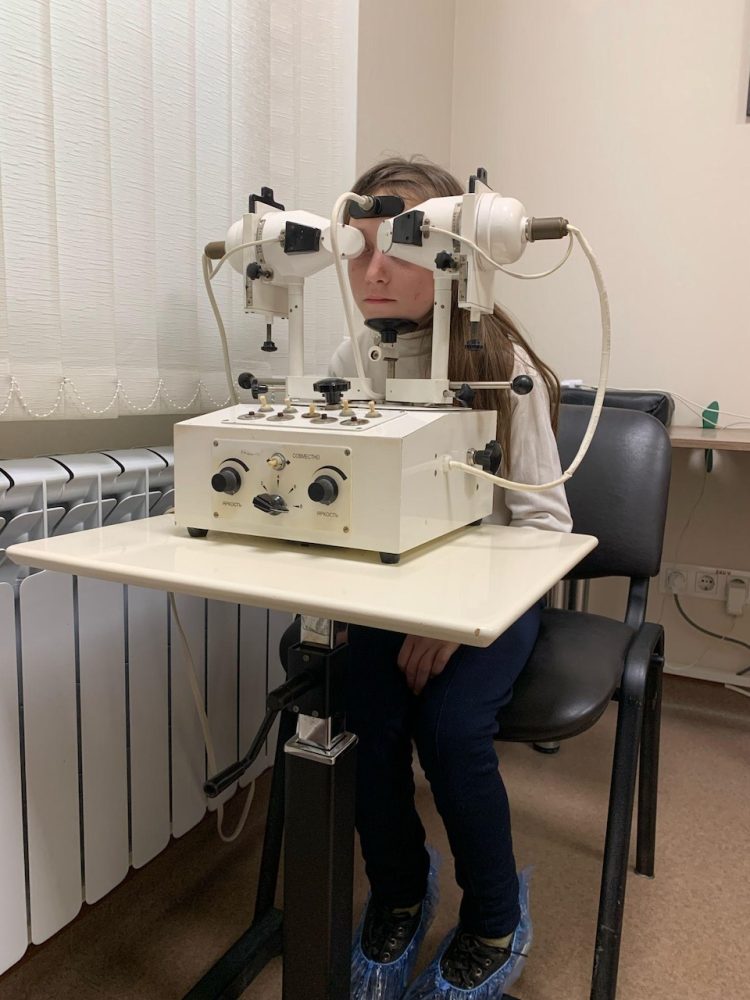
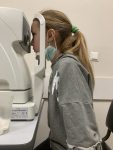
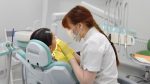
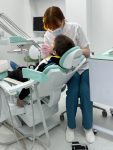
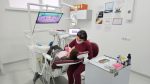
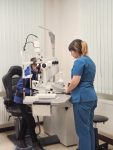
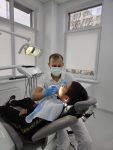
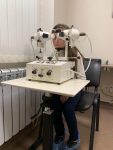
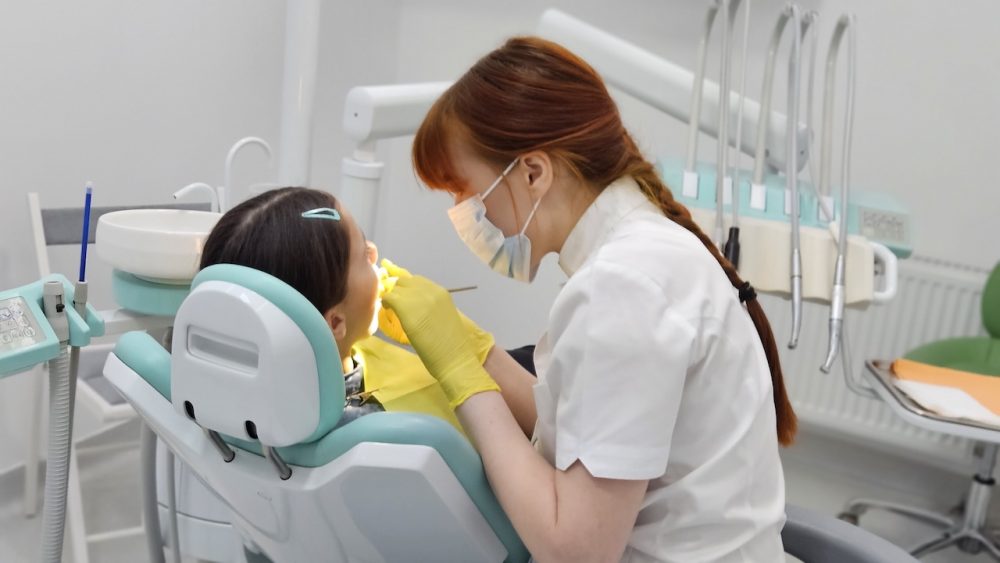
- Minor but essential treatments (such as dental care, vision correction, wound care) that are often postponed until they worsen
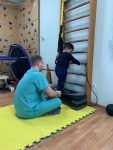
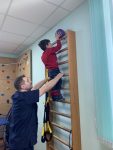
- Referrals to psychiatric or neurological specialists, when psychological support alone is not sufficient
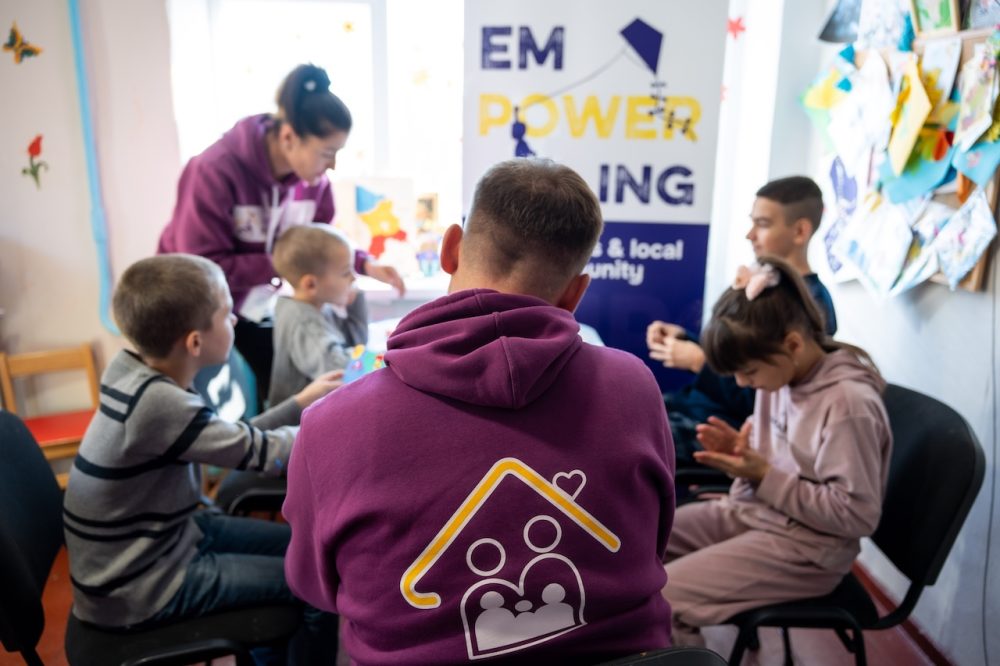
We work closely with our mobile teams, field workers, and partner clinics to ensure that families in remote villages receive care that is timely, relevant, and accessible. Some interventions are coordinated directly by our staff; others are facilitated through medical partnerships or funded through specific donor support.
The cost of poor health goes far beyond physical pain. It disrupts children’s schooling, threatens job security for parents, and deepens cycles of poverty and stress. When medical needs go unmet, they quickly become a crisis — and that crisis affects the whole family.
By addressing health issues early and holistically, we not only reduce physical suffering, but also:
- Relieve families of enormous financial pressure, allowing limited income to go toward other vital needs
- Prevent school absenteeism, especially among children dealing with chronic pain or untreated conditions
- Support mental and emotional recovery, especially for those affected by trauma-related or psychosomatic symptoms
- Create a sense of care and dignity, especially in communities that feel abandoned by public systems.
Healthcare may begin with a doctor’s visit — but its impact echoes through every aspect of a family’s life. When people are healthy, they can work, learn, grow, and plan for the future. And when families feel supported in their health, they begin to believe in their right to a better life.