
Share:
For many children living in vulnerable conditions, structured learning and emotional development are often delayed — or disrupted entirely — by instability, trauma, or lack of access to resources. Traditional classroom settings may not be equipped to meet these children where they are emotionally, socially, or developmentally. That’s where non-formal education and playtherapy step in — bridging the gap between survival and growth.
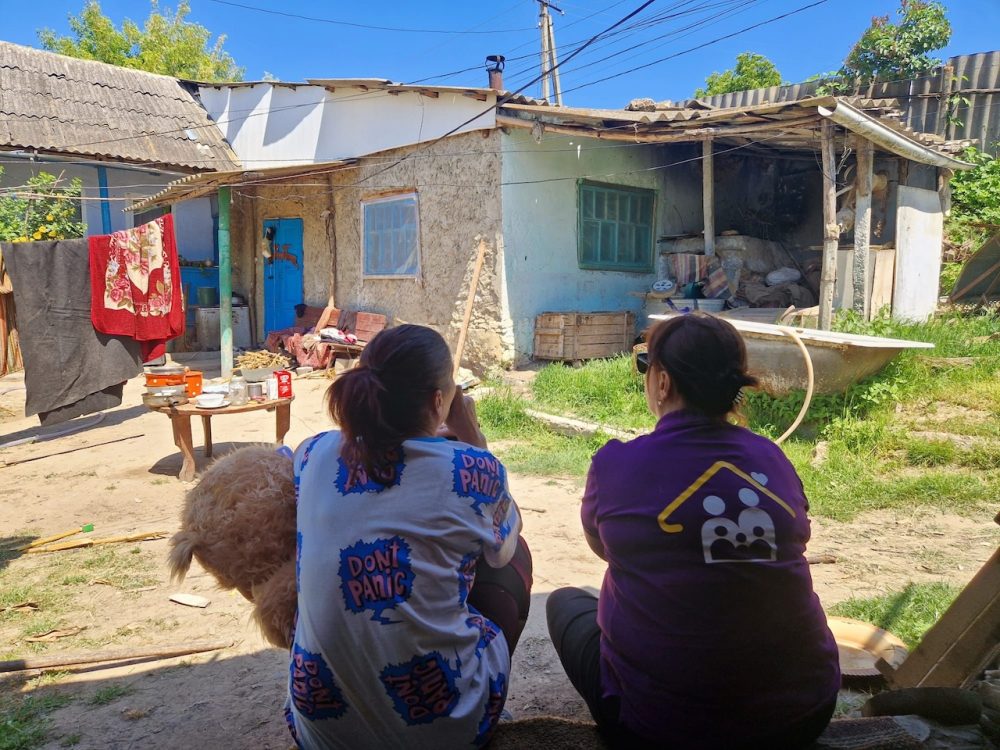
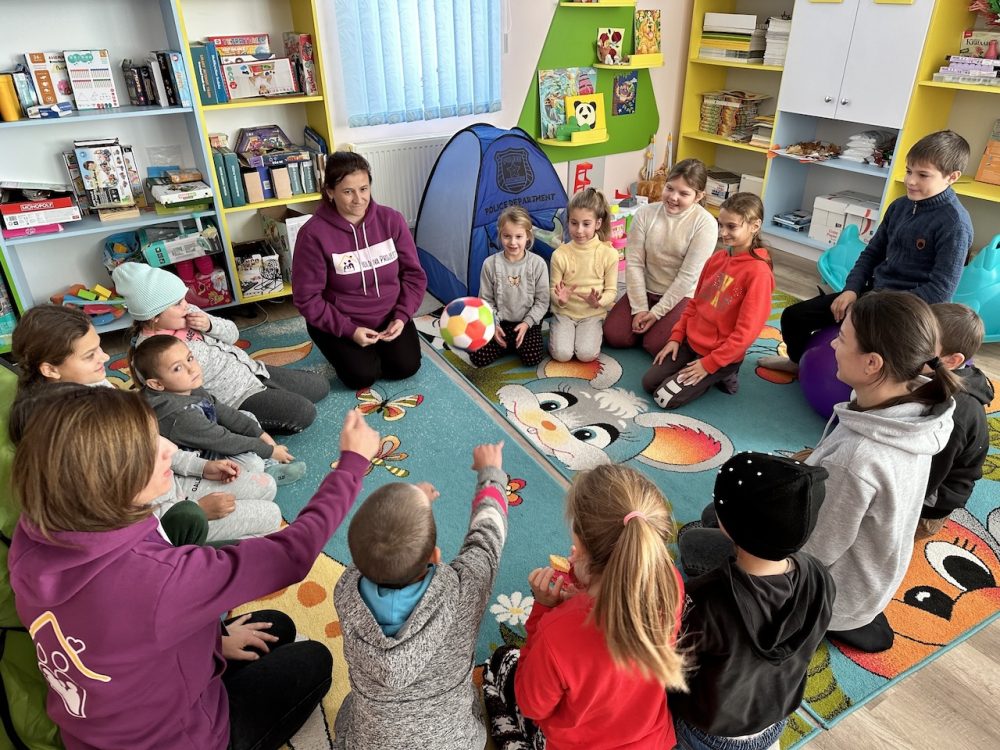
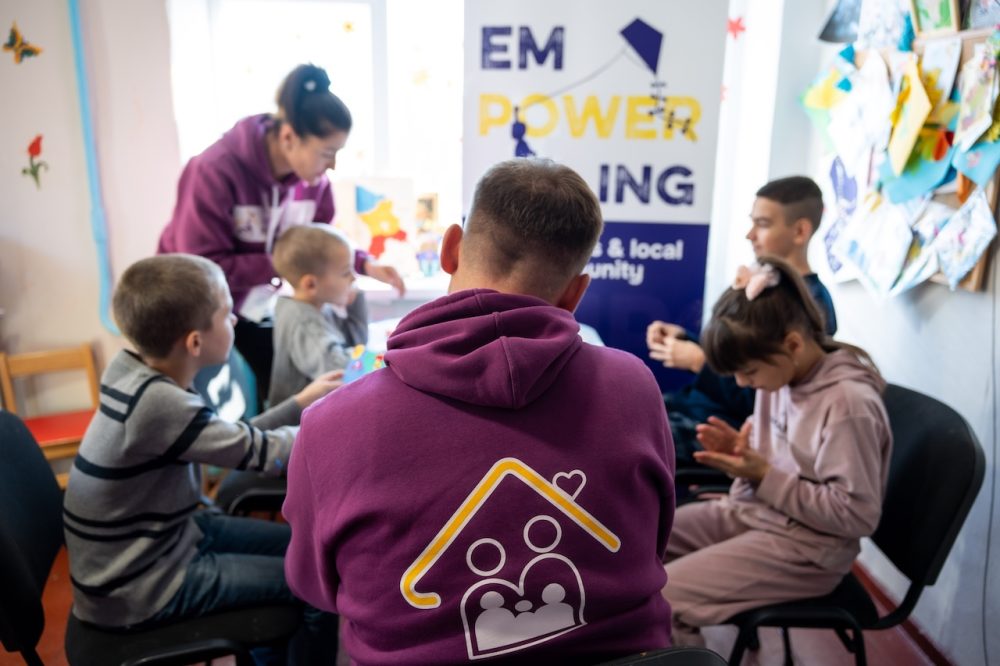
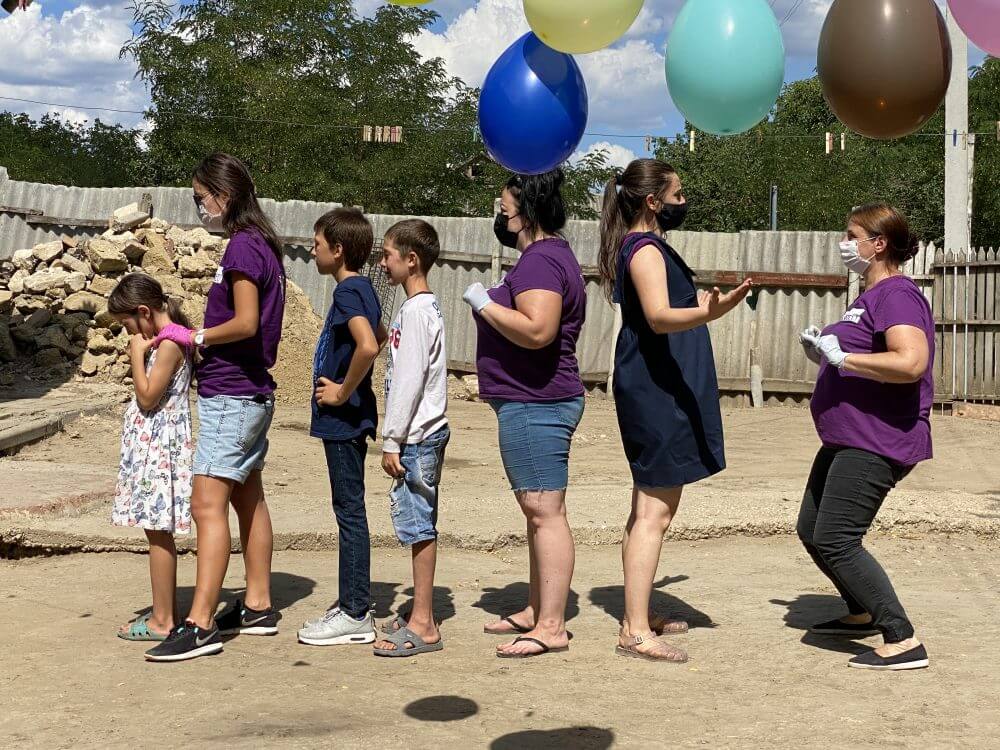
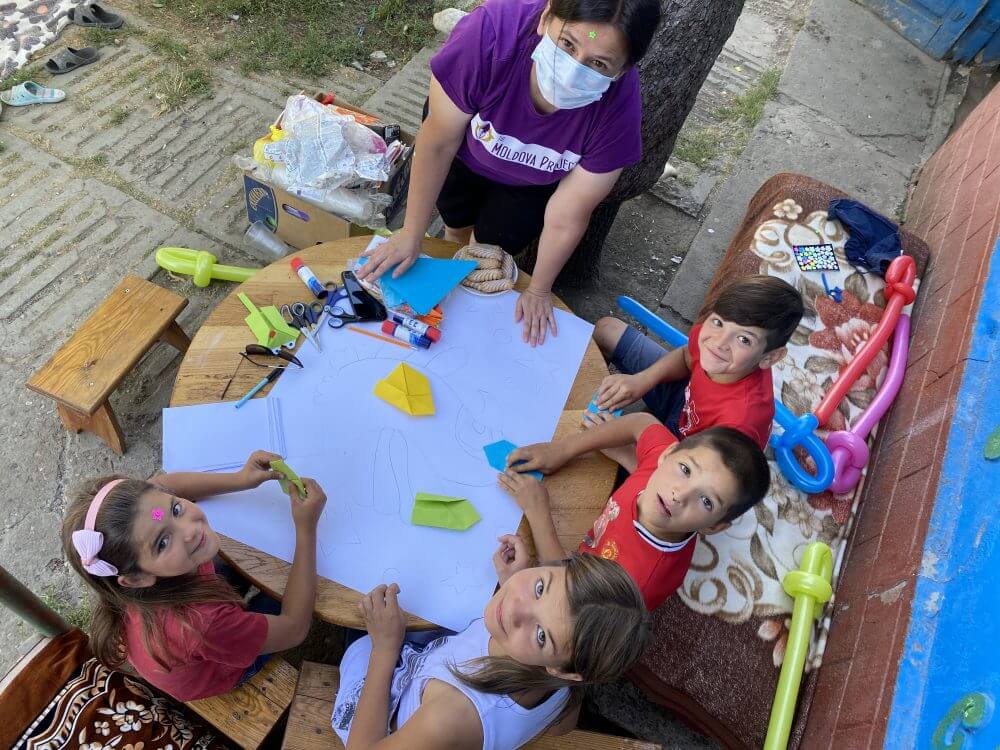
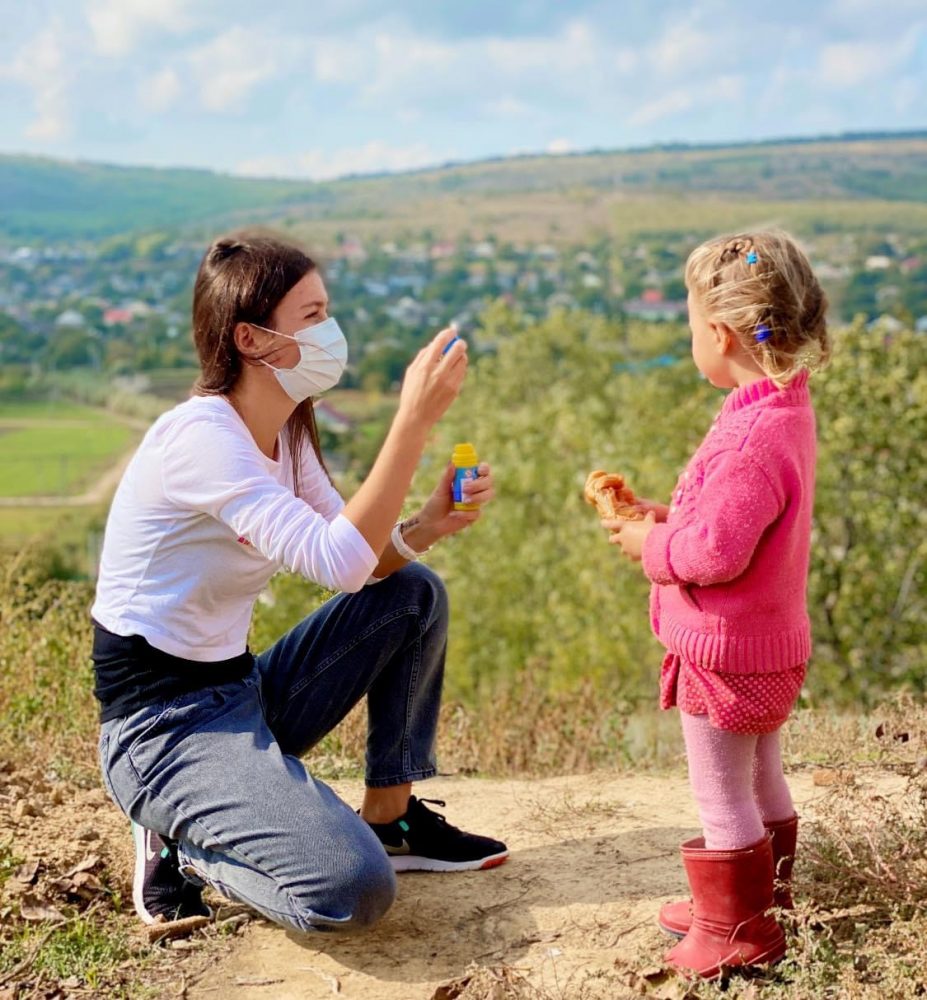
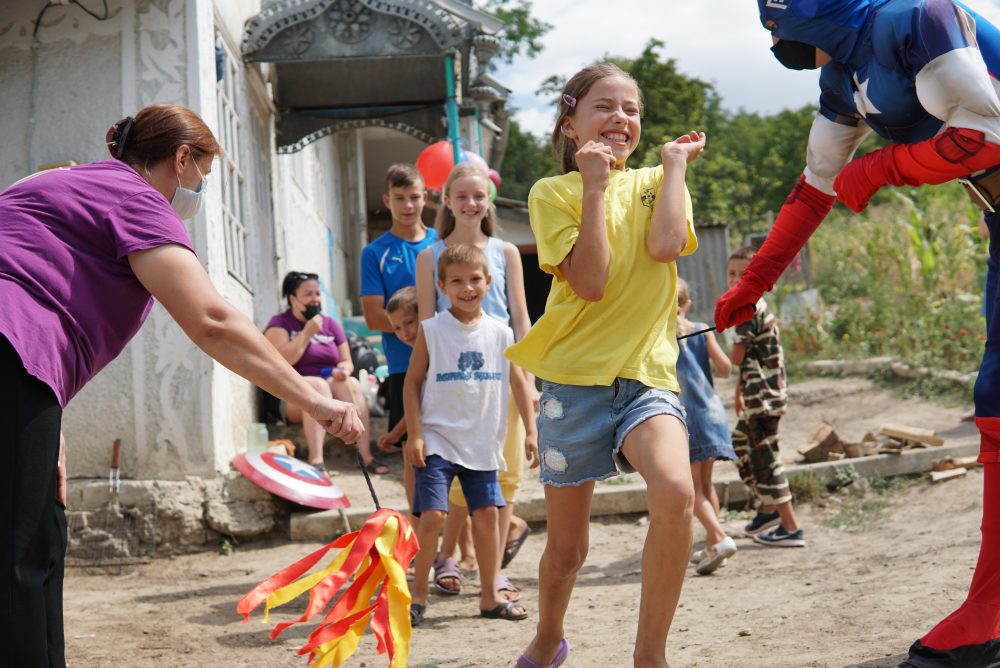
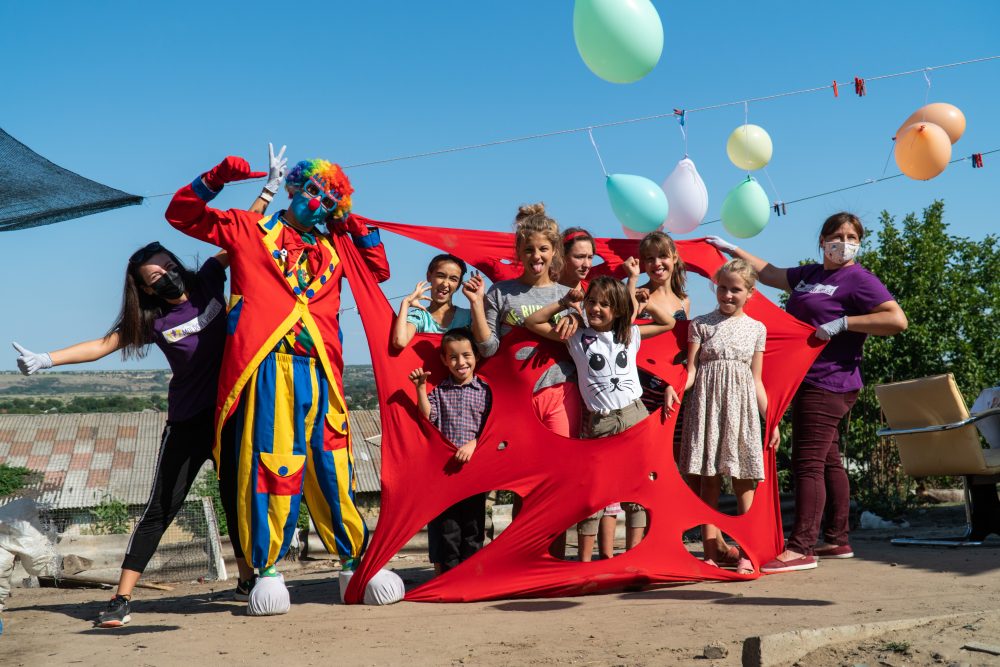
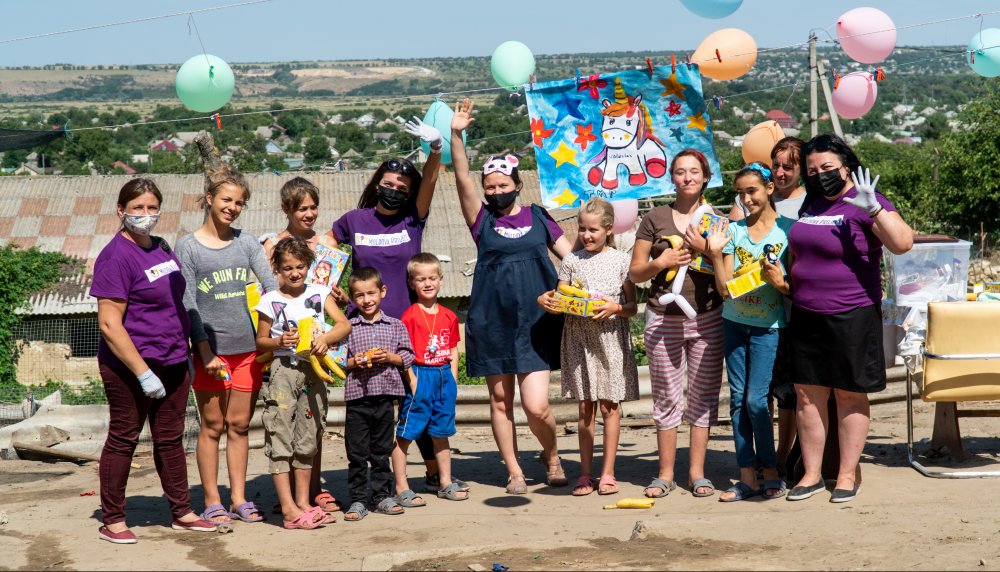
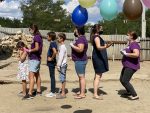
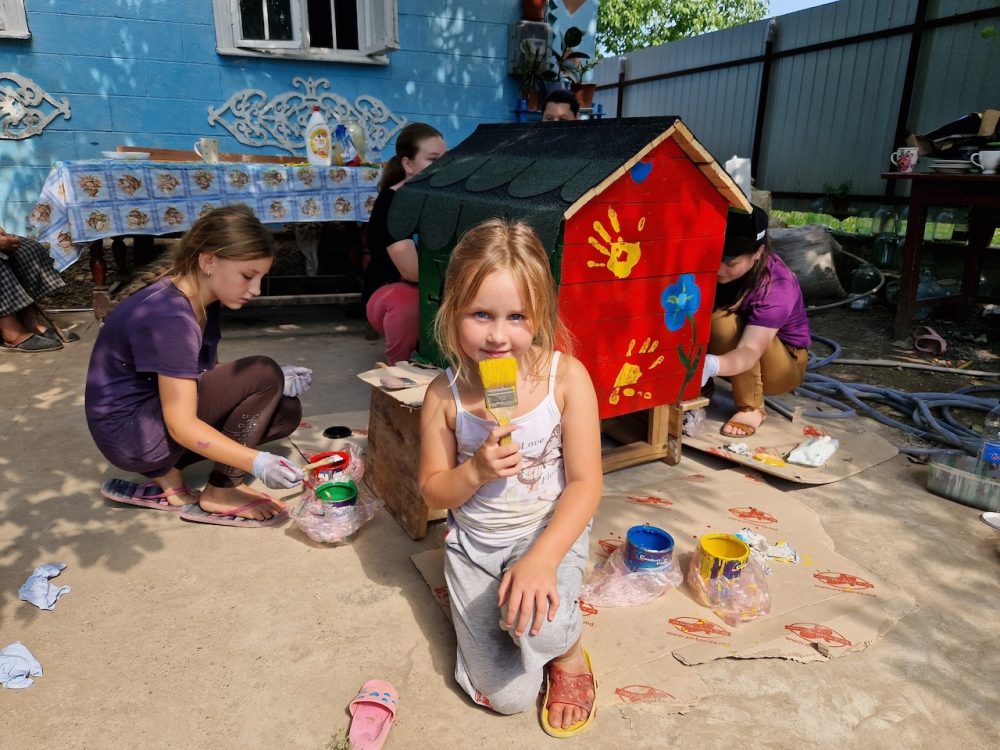
At The Moldova Project, we believe that learning must be accessible, safe, and joyful. Our Non-Formal Education & Playtherapy Program is designed to offer children opportunities to develop cognitively, emotionally, and socially through activities that feel natural and engaging. These activities take place in our Playrooms, in schools, and even in the yards of families who cannot access other services.
The program includes:
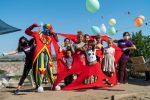
- Storytelling, music, and role-playing, which help children express themselves and make sense of their experiences
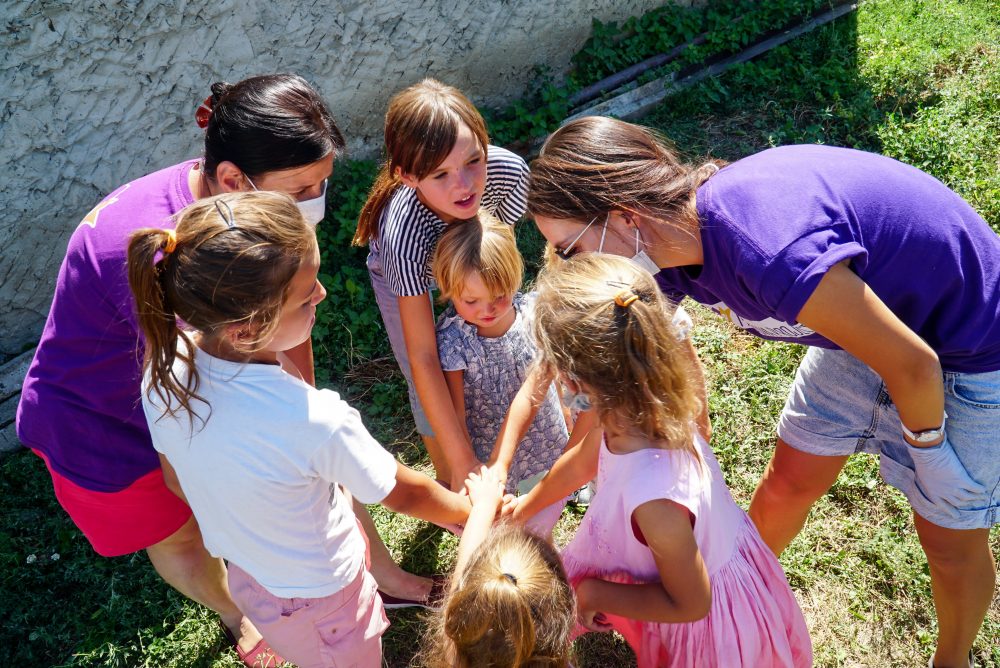
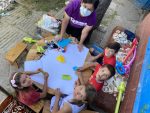
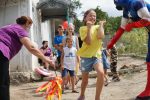
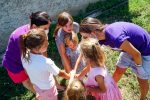
Interactive games and group activities, which build emotional intelligence, cooperation, and confidence - Creative workshops, such as crafts and movement, that support concentration, problem-solving, and fine motor skills
- Play-based observation, where trained staff can discreetly assess a child’s emotional state, detect early signs of distress, and refer them for psychological support if needed
This is more than entertainment. Through play, children process emotions, practice social skills, and build a sense of mastery and control. For those who have experienced neglect or trauma, play can be an act of repair — allowing them to regain confidence and reconnect with their imagination.
Importantly, these activities are also a way to build trust. Children who may fear adults or institutions often let their guard down when they are met with joy, respect, and creative freedom. That trust opens the door to deeper forms of support.
Many of our sessions are designed not only for the children in our programs but also for those in the broader community, creating inclusive environments that encourage social integration and reduce stigma.
In vulnerable families, where parents may be overwhelmed or emotionally unavailable, playtherapy becomes a vital intervention — giving children space to be seen, heard, and nurtured in ways they might not experience at home.
Because every child deserves a place where learning feels like play — and play feels like safety.