Up to
sessions a year
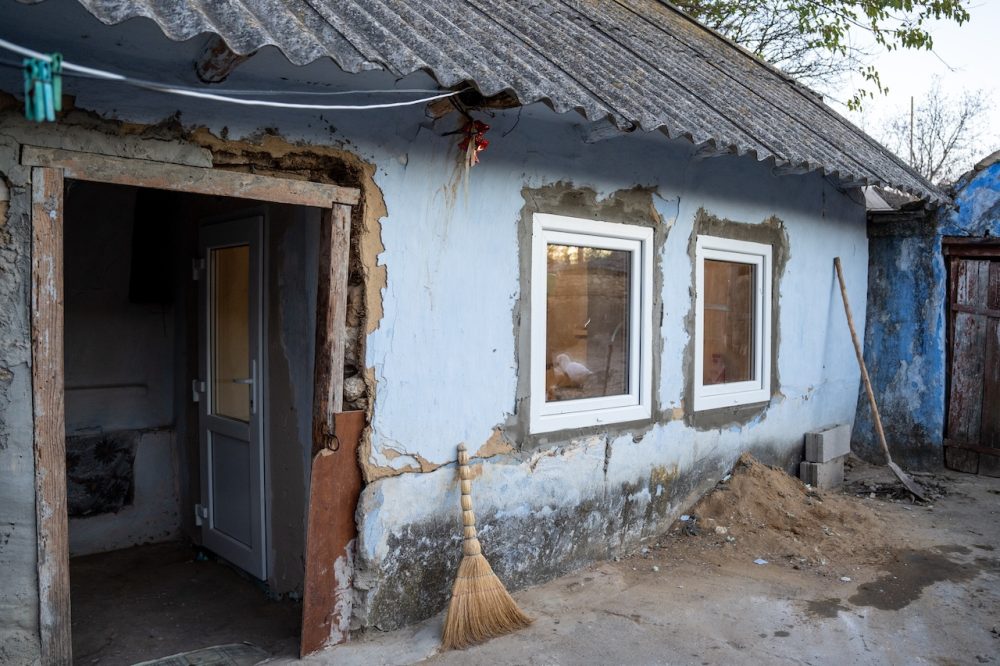
Emotional wounds are not always visible — but they are real, and they shape everything from a child’s ability to learn to a parent’s capacity to care. In Moldova, many of the families we support carry the invisible burden of trauma: children exposed to neglect or violence, parents trapped in cycles of emotional distress, or entire households impacted by poverty, addiction, displacement, or loss.
At The Moldova Project, we believe that true healing begins from within. That’s why we offer a comprehensive Psychological Support Program, designed to help both children and adults process trauma, regulate emotions, and build the resilience they need to move forward.
Our psychological support is free of charge and provided by qualified therapists and counselors. The program includes:
- Individual therapy for children, teenagers, and adults
- Group therapy sessions for those with shared experiences (e.g., grief, domestic violence)
- Mentorship and counseling for parents struggling with emotional regulation, addiction, or the consequences of past trauma
- Crisis intervention in cases of acute risk or violence
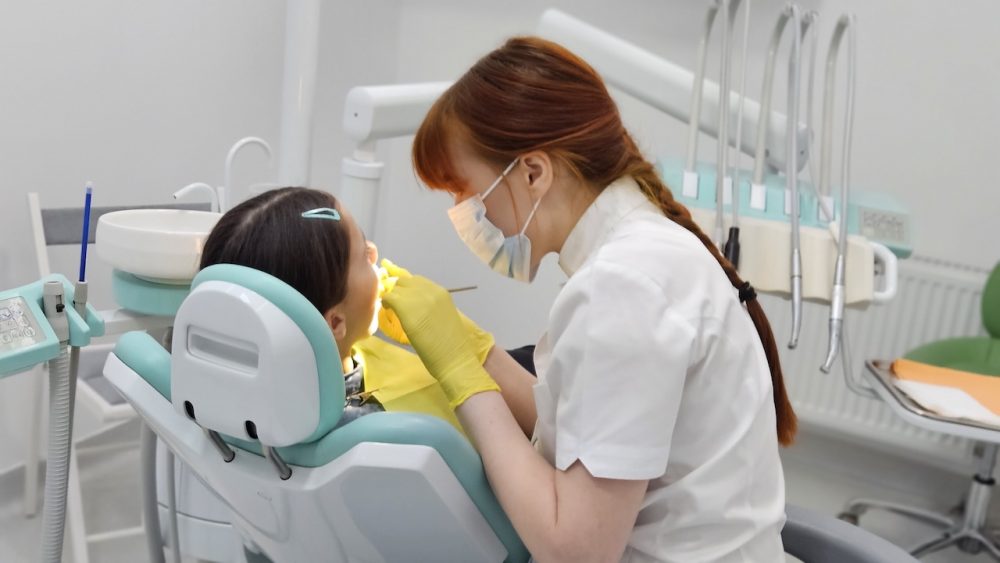
- Referrals to psychiatric or medical services when therapeutic support must be combined with clinical care.
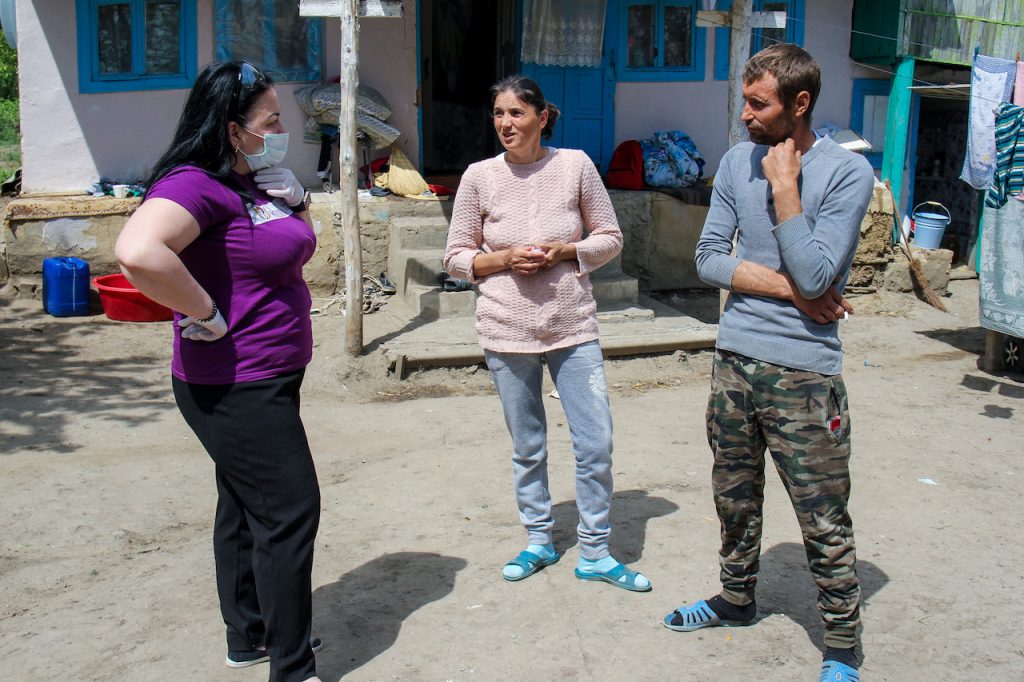
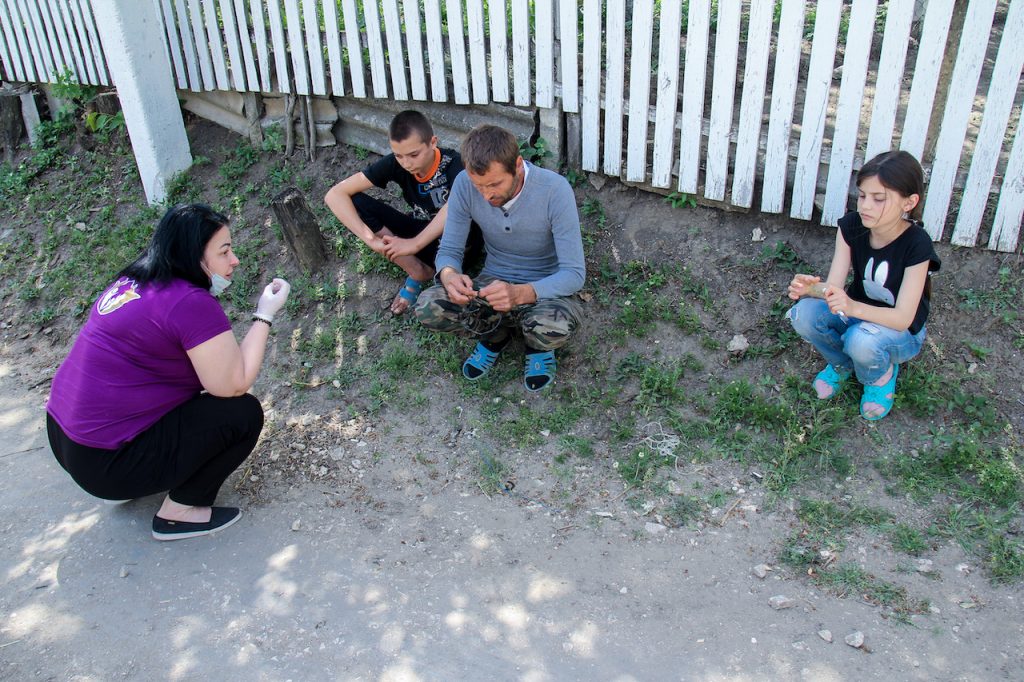
We work in close partnership with our in-house social workers, field team, and other specialists to identify families and individuals who would benefit from therapy. Sessions are trauma-informed, culturally sensitive, and based on the belief that every person has the capacity to heal — if they are met with trust, care, and consistency.
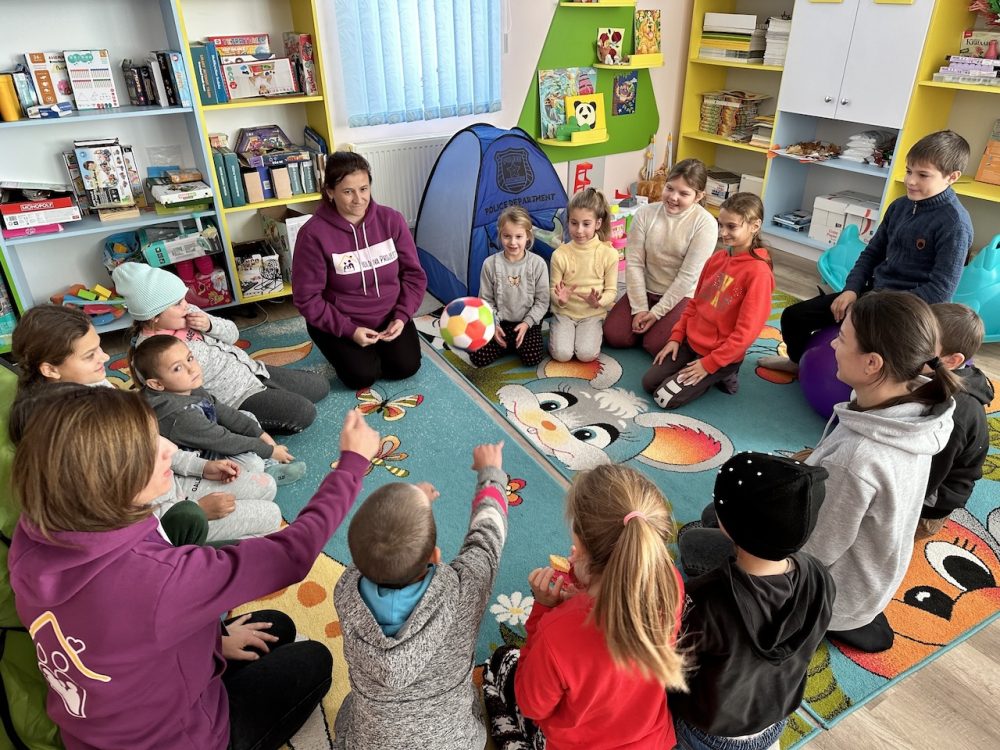
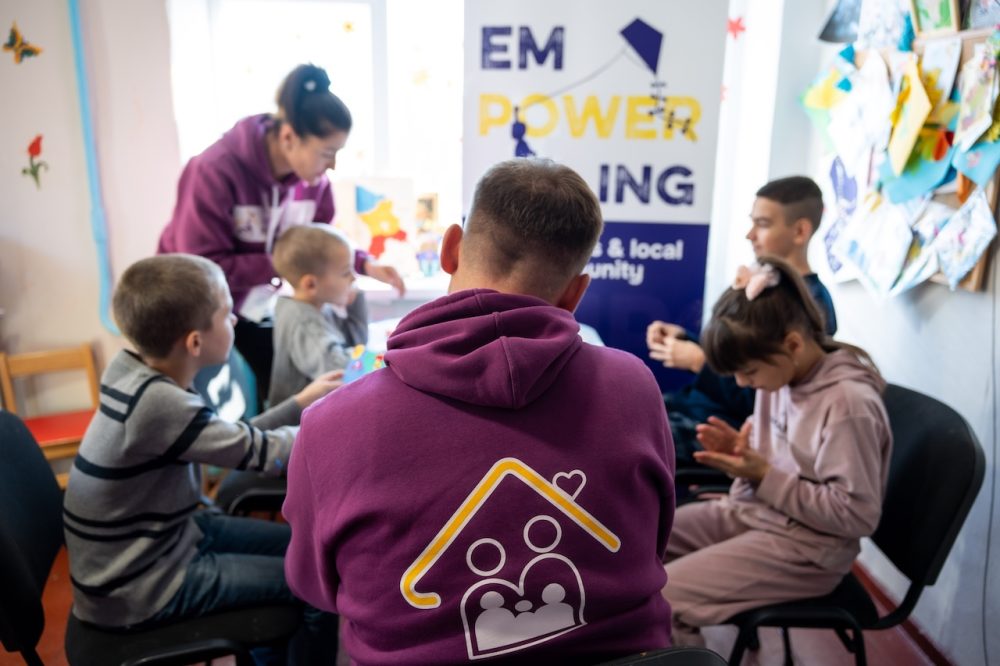
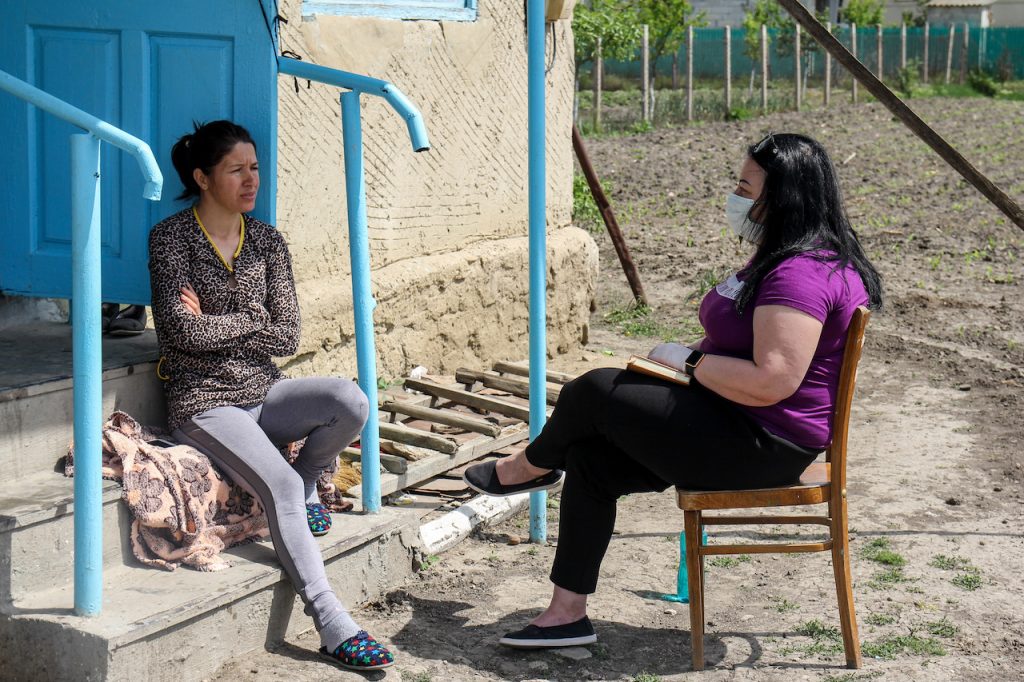
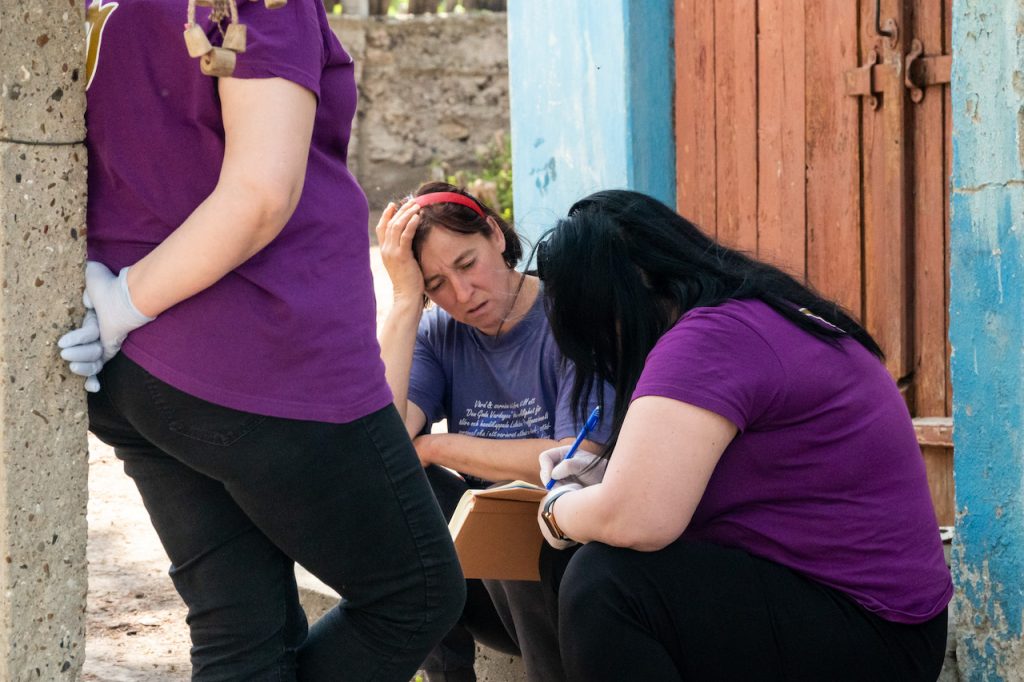
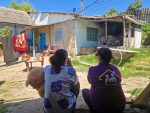
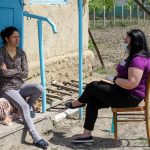
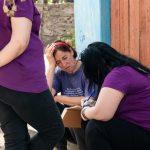
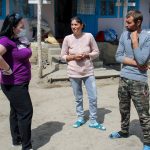
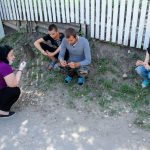
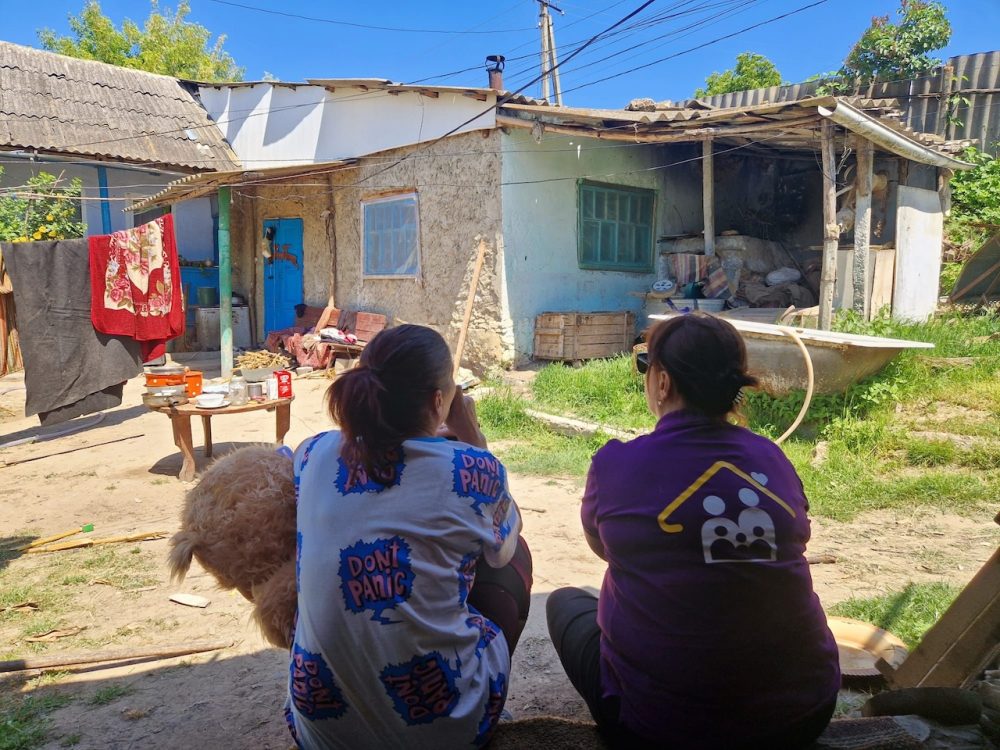
Therapy sessions are held either in person (at our offices or Playrooms) or in outreach form for those in remote or vulnerable locations. Children are often referred after behavioral observations during play-based activities or school interactions. Parents are encouraged to participate actively, knowing that their emotional health directly impacts their children’s well-being.
What makes this program unique is its integration with other support systems. Psychological care is never offered in isolation — it goes hand in hand with material support, legal aid, parenting education, and access to health services. Because no one heals in a vacuum.
Every session is a step toward hope. A step toward a family that communicates better. A child who sleeps through the night. A parent who learns to listen — and to forgive. Emotional recovery may be invisible to the eye, but its impact ripples through generations.